
The Dealer’s Guide to Winning the Insect War:
Training, Selling, Merchandising, and Protecting Every Customer
Raymond Padgett
Overlooked, disregarded, unnoticed, but extremely important. The mighty insect screen (a/k/a mud dauber screen or Bug Stoppers). Yes, we’re talking about a small stainless-steel mesh cover. And yes, it’s about to become one of the most important (and profitable) accessories in your dealership. If you’ve ever watched a customer walk into your service department complaining about a furnace that “mysteriously stopped working,” or a water heater that “just clicks and clicks,” you already know where this story is going. Spoiler alert, insects have declared war on RV appliances, and they’re winning – unless your dealership steps in.
By the time you finish this training, you’ll understand exactly why this category matters. This is your chance to stop the invasion, boost accessory sales, and deliver a better ownership experience, all with one simple product category.
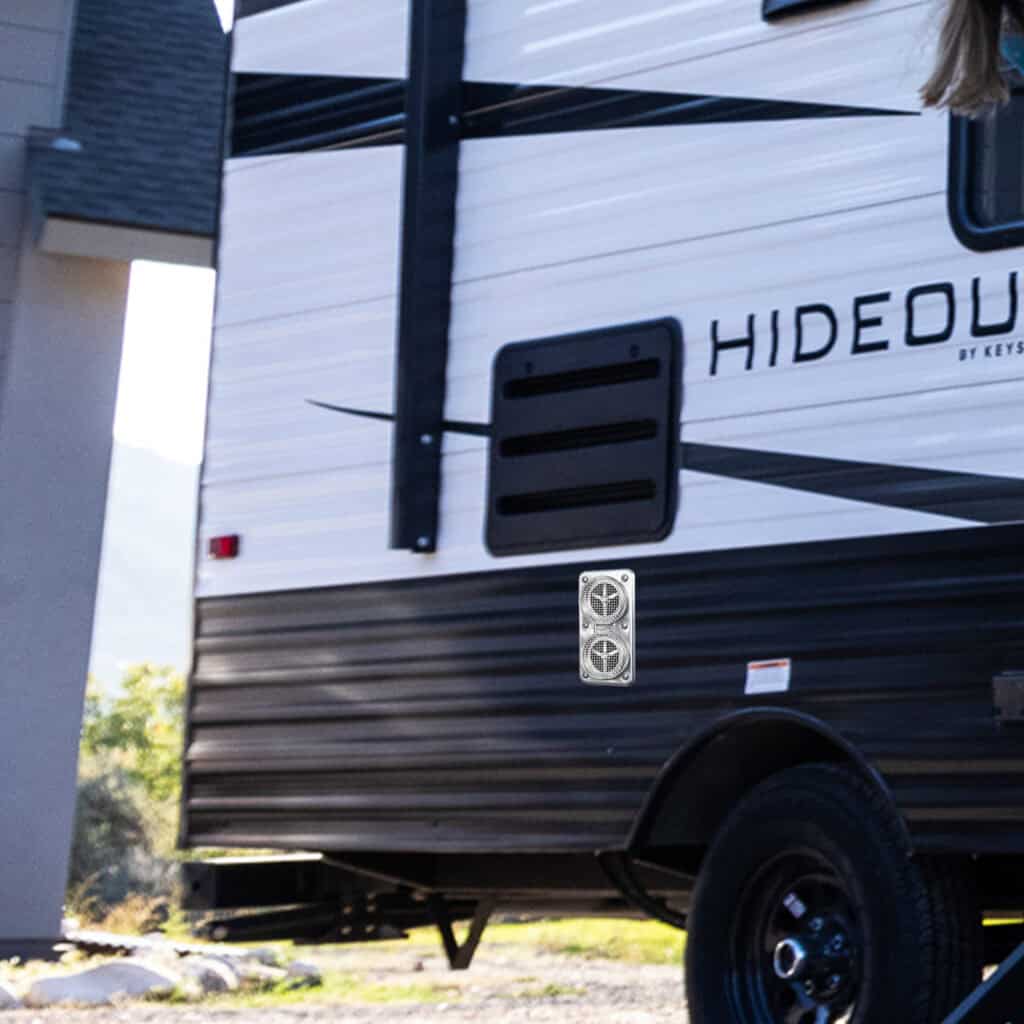
Here are the learning objectives for this article:
To understand why insect screens exist and why customers desperately need them.
To recognize customer pain points and how to address them confidently.
To know the key features customers should look for when choosing a screen.
To easily match the right product to the right RV appliance.
To gain the right language to help your retail customers.
To understand best merchandising practices to maximize turns and minimize confusion.
To know the simplicity of their installation.
Identify complimentary products that your customers will want when they are purchasing insect screens.
When a Furnace Vent Becomes a Mud Dauber Mansion
Insect Screens exist for one simple reason… insects love RVs way more than they should. To a mud dauber, a furnace vent isn’t a furnace vent, it’s a luxury condo with free heating, zero predators, and a perfect place to raise a family. Unfortunately, their dream home becomes your customer’s nightmare when those nests clog ignition chambers, block airflow, and shut down critical appliances. A $20–$30 screen prevents a $800+ repair, and that’s exactly why this product matters.
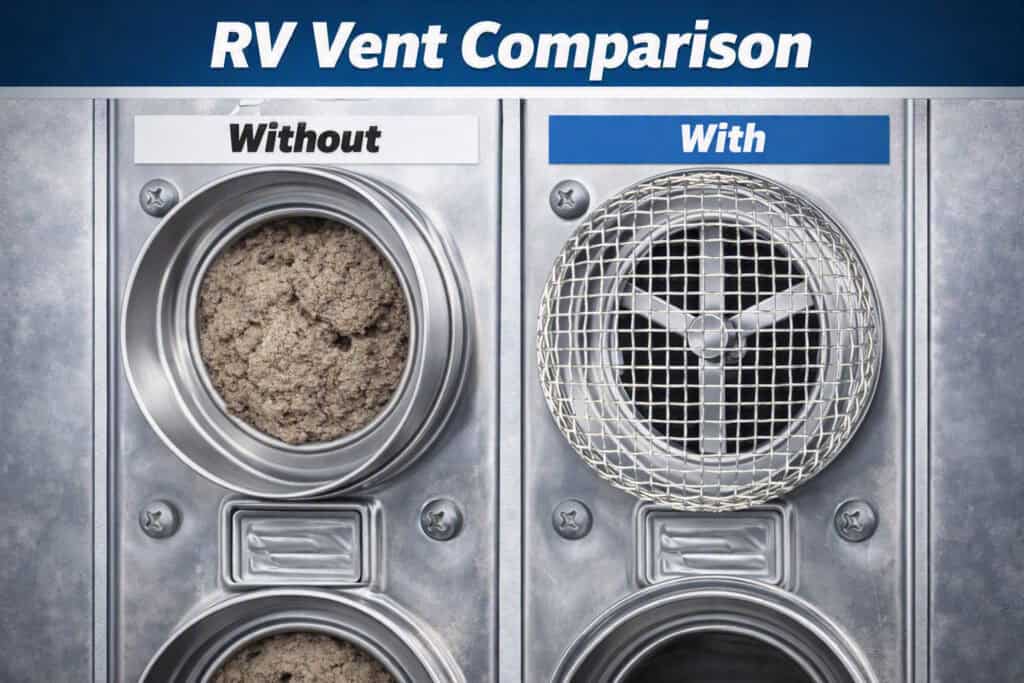
These screens act as a protective barrier over the exhaust of the furnace, water heater, and refrigerator, keeping insects, spiders, debris, and other unwelcome guests out of sensitive appliance components. They maintain proper airflow, prevent ignition failure, reduce corrosion, and eliminate the “Why won’t my furnace start?” panic that sends customers rushing into your service department on a Saturday morning.
For dealers, the purpose is even bigger. Insect screens are one of the easiest accessory sales in the RV world. They solve a real problem that customers don’t know they have until it’s too late. When you introduce the product proactively, you position yourself as the expert who prevents problems rather than just fixing them. That builds trust, increases accessory sales, and reduces service bottlenecks caused by preventable insect damage.
In short: insect screens protect appliances, protect customer experiences, and protect your dealership’s time and reputation. They’re small, simple, and incredibly effective – exactly the kind of product every RV professional should champion.
Mud Daubers Don’t Pay Rent — And That Is A Problem For Your Customers
When customers walk into your dealership with appliance issues, they’re rarely calm, cheerful, or ready to browse accessories. They’re frustrated, confused, and often convinced their RV is “broken again.” These emotional moments are exactly where insect screens shine because most of these problems trace back to one tiny culprit… insects invading appliance exhaust vents.
Customers don’t know this. They only know their furnace won’t ignite, their water heater keeps
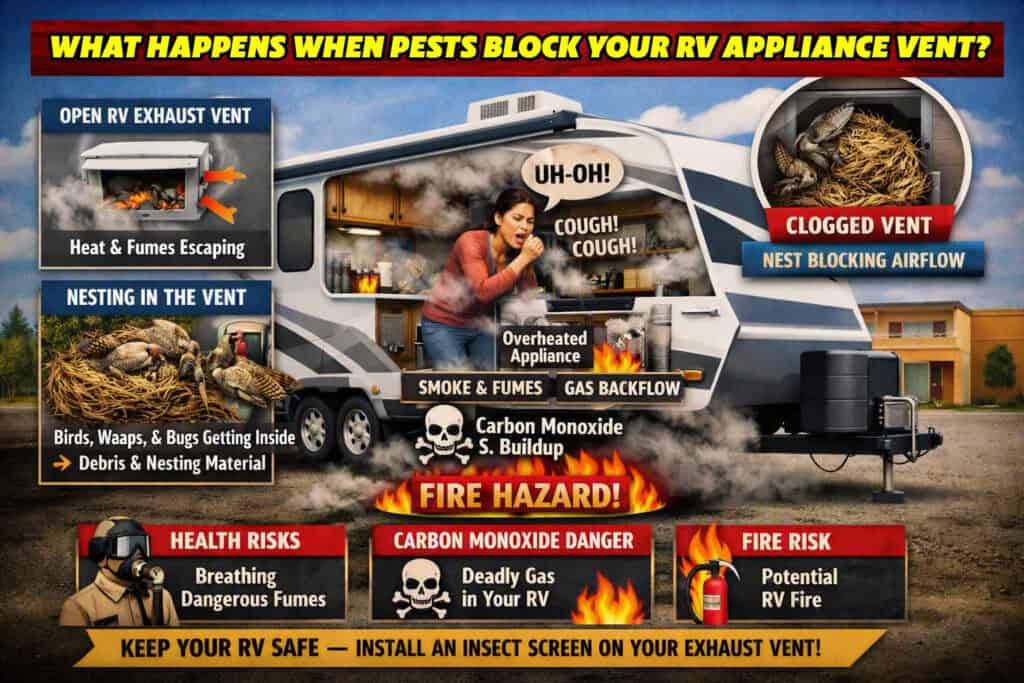
clicking, or their refrigerator smells like something crawled in and never crawled out. They’re dealing with ruined weekends, cold showers, spoiled food, and unexpected repair bills. Their pain points are real, and they’re expensive.
Many customers also feel embarrassed. They think they did something wrong, didn’t maintain their RV properly, or bought a “bad unit.” They’re worried about repair costs, downtime, and whether this will keep happening. They want reassurance, clarity, and a simple solution that prevents future headaches.
This is where you step in as the expert. When you explain that pest (mud daubers, wasps, spiders, etc.) commonly clog RV vents and cause ignition failure, customers feel relieved. When you show them a insect screen and explain how it prevents the issue entirely, they feel empowered. And when you tell them it’s a low-cost accessory that protects high-cost appliances, they feel smart for buying it.
Understanding these pain points helps you connect emotionally and educate effectively.
The Anatomy of a Truly Reliable Insect Screen
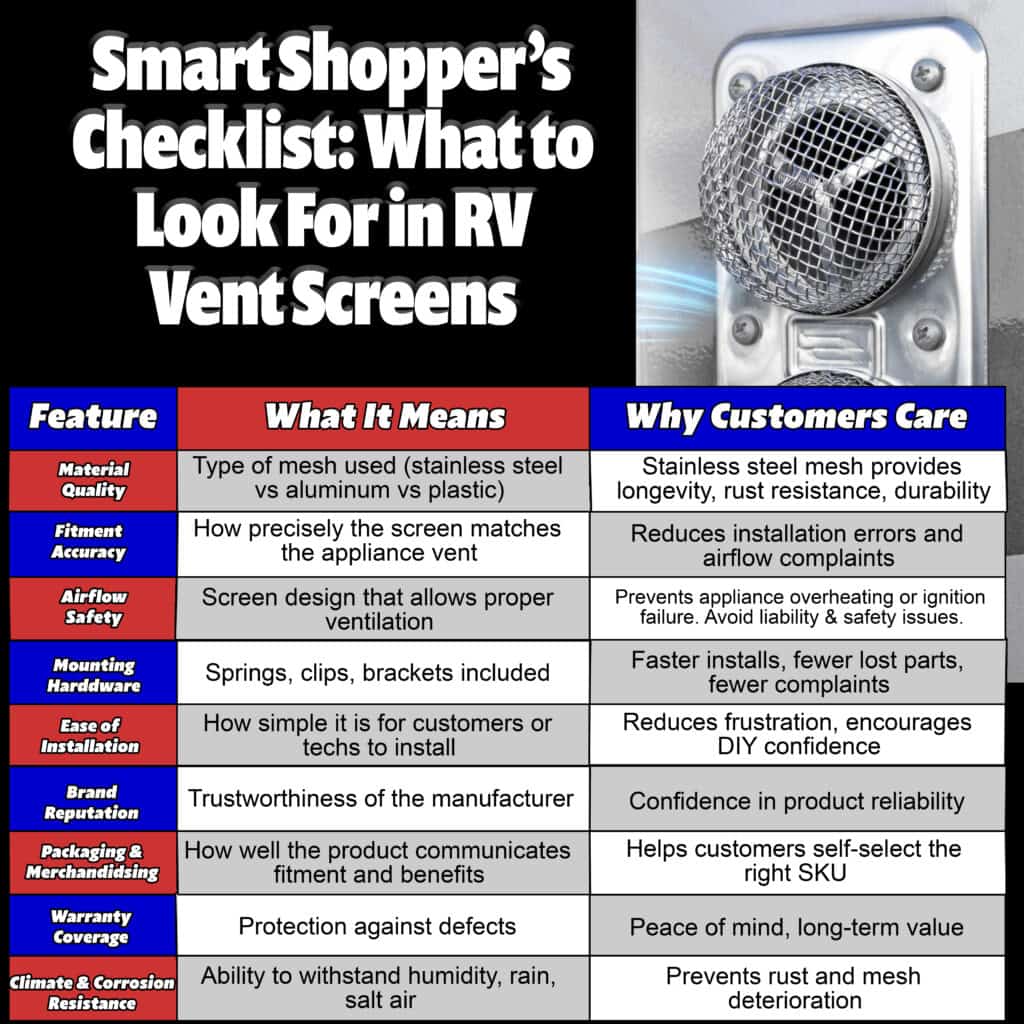
Before you can recommend the right insect screen to a customer, you need to understand exactly what separates a great screen from a mediocre one. To the average retail customer, these products all look the same (small metal mesh covers that clip on to exhaust vents). But you and I both know that not all screens are created equal. Some protect appliances flawlessly for years, while others rust, fall off, restrict airflow, or fit so poorly they cause more problems than they solve.
This is where your expertise becomes invaluable. Customers rely on you to guide them toward products that actually work, actually fit, and actually prevent the expensive repairs they’re trying to avoid. When you understand the core features that matter, you can confidently steer customers toward the right choice every time.
The chart below breaks down every major feature clearly. Use it to educate customers and train staff. This is your roadmap to selling smarter, preventing problems, and delivering real value.
The Truth Behind the “They All Look the Same” Myth – The Definitive Brand Comparison Chart
Now that you know what to look for, it’s crucial to understand how the major brands in this category stack up. To retail customers, these products often look identical and, to a large degree, they are. But there are differences that will help you sell more screens and help your customers have a better experience.
The chart below breaks down the major players. Use it as your quick‑reference guide to understand the strengths, weaknesses, and real‑world performance differences that matter most. This is your roadmap to recommending the right brand every time.
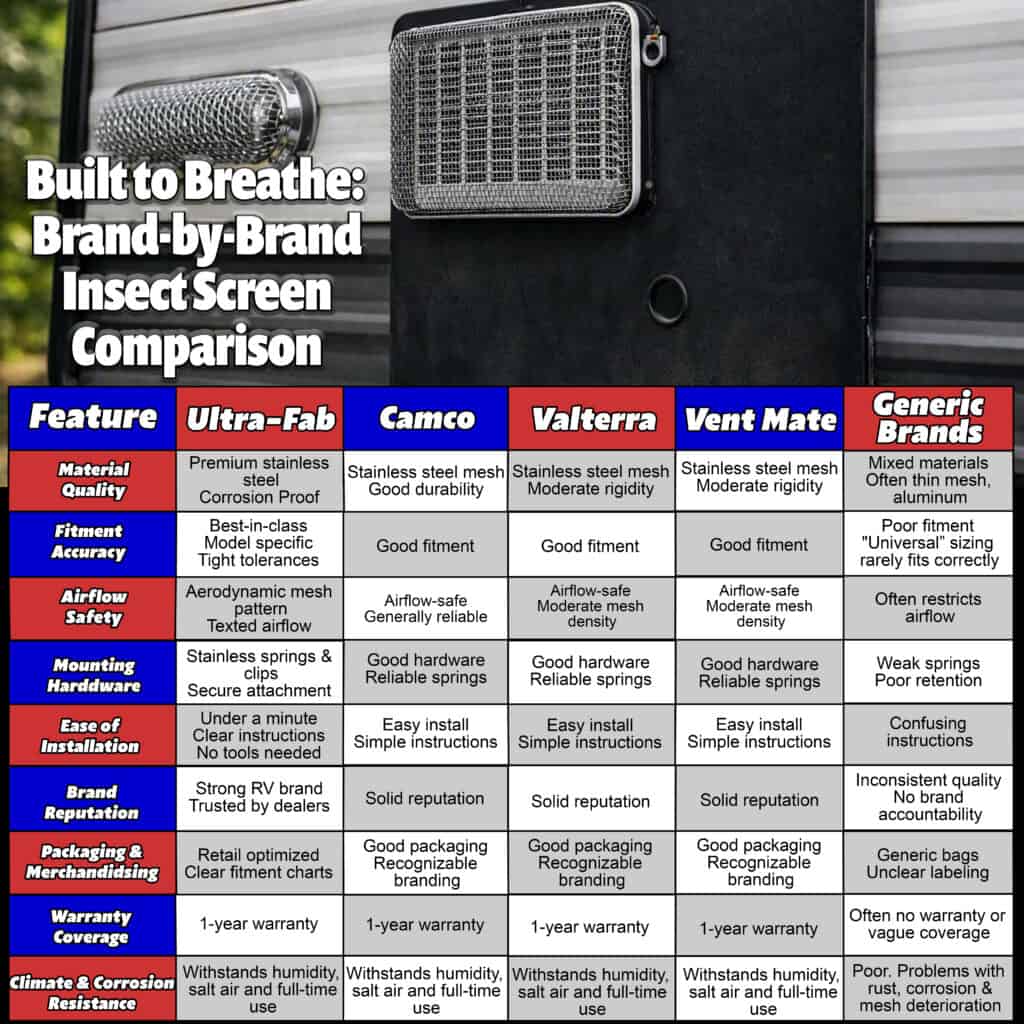
After you look over this chart, one thing jumps out fast… every insect screen on the market seems to have the same features. Same materials. Same airflow. Same fitment. Same hardware. Half the time you’d swear they all rolled off the same assembly line… but they didn’t.
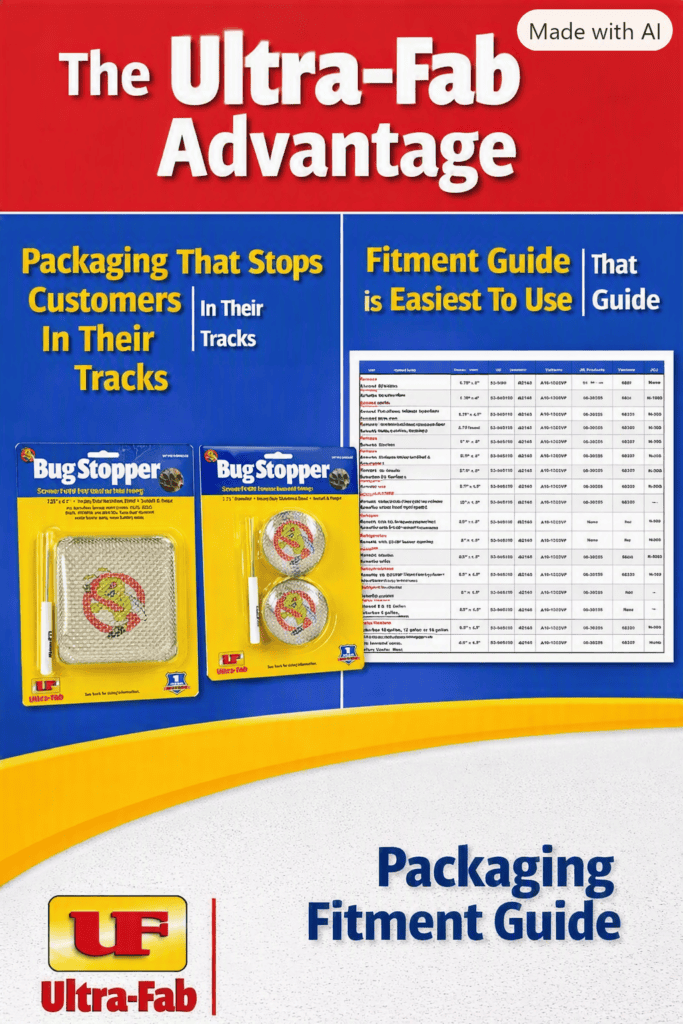
So why do RV dealerships that install the Ultra‑Fab Bug Stopper planogram report doubling (or more) their insect screen sales? What’s the secret sauce?
Simple. Ultra‑Fab wins the retail battle right on the shelf:
The packaging actually stops traffic: Bright, high‑visibility yellow pops off the peg wall like a beacon. Meanwhile, the other brands are hiding in dark blues and greens that blend into the aisle like camouflage. Customers notice Ultra‑Fab first, and that’s half the sale.
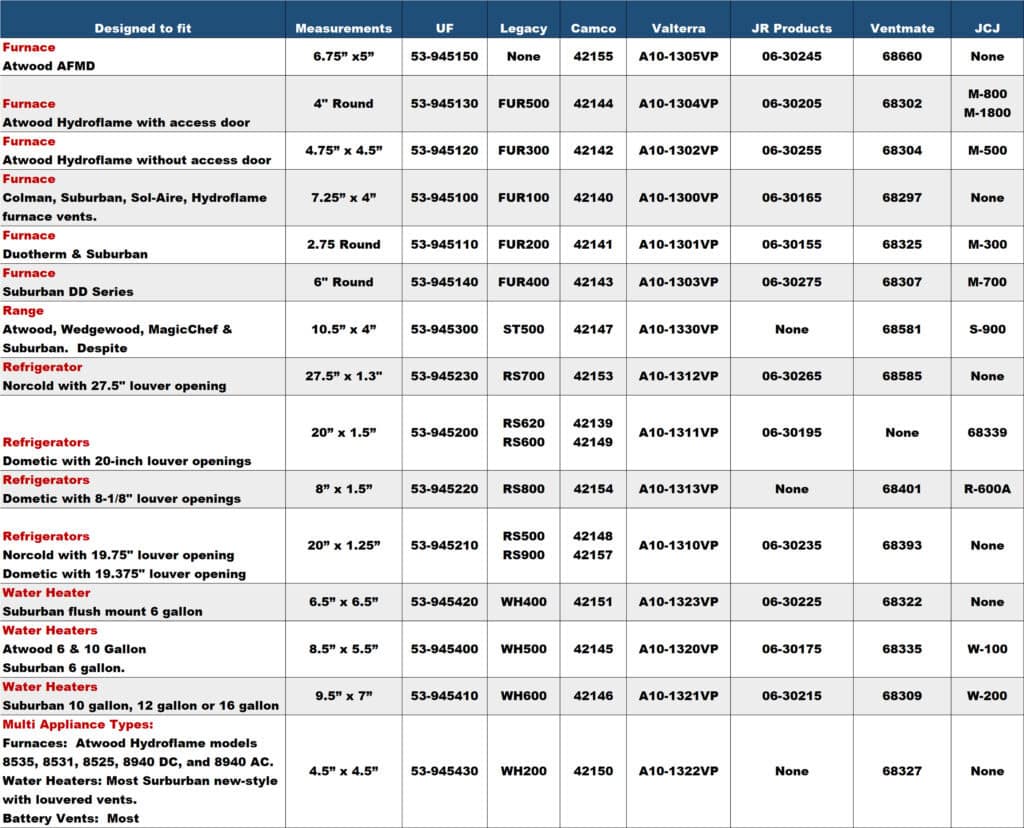
The fitment info is ridiculously easy to use: Clear, accurate fitment guidance (on the product and on the signage) means customers grab the right screen the first time. No guessing. No returns. No frustrated shoppers wandering the aisle.
These two advantages might sound small, but in retail they’re monsters. They make the customer’s
decision fast, simple, and confident – and that’s exactly why dealerships see such a big lift in sales.
The fitment guide below isn’t just about matching parts … it’s about preventing service issues, protecting appliances, and delivering a seamless retail experience. With Ultra‑Fab’s structured offering, your dealership can stock smarter, sell faster, and ensure every customer leaves protected from the insect invasion waiting outside their RV.
The Right Words at the Right Moment: Your Insect Screen Sales Playbook
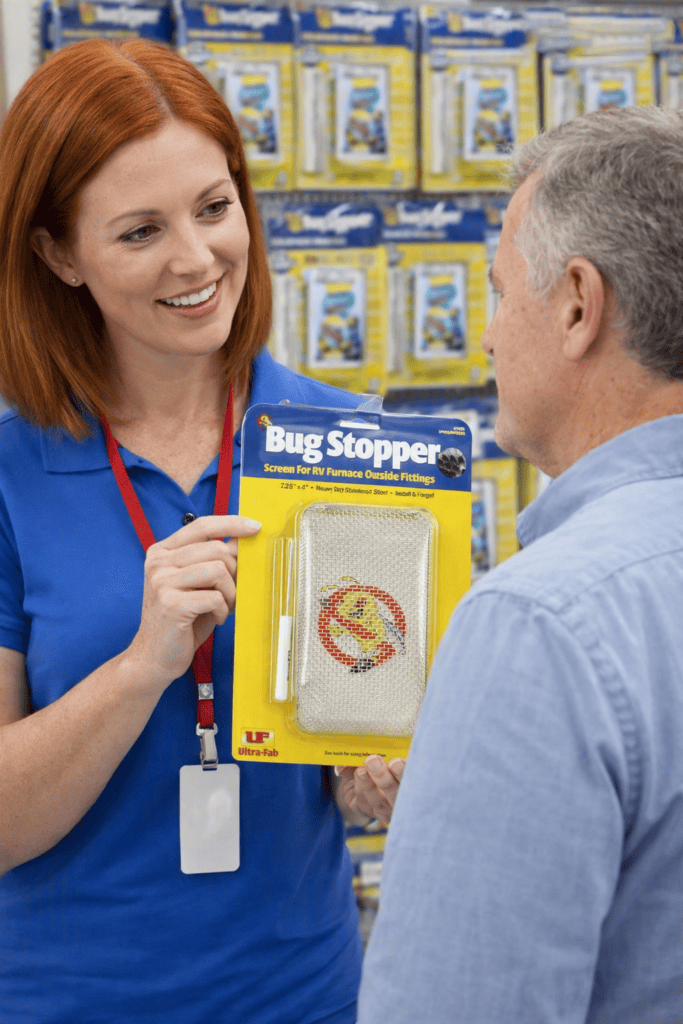
When you bring these screens up at the right moment and with the right language, customers immediately understand the value. But timing and phrasing matter. A great sales script helps you introduce the product naturally, confidently, and in a way that feels helpful rather than salesy. Whether you’re walking a customer through the parts showroom, delivering a new RV, or answering questions at the counter, having a few polished lines ready makes the conversation smoother and dramatically increases your close rate. The following scripts are designed specifically for real dealership interactions. They are simple, conversational, and built around the pain points customers already have. Use them to educate, reassure, and guide customers toward a smart preventative purchase that protects their RV and enhances their ownership experience. These scripts aren’t just words, they’re tools that help you sell more effectively, reduce customer headaches, and position your dealership as the expert that solves problems before they happen.
Sales Script 1: Houston, we have a problem
Customer Says: “My furnace stopped working on my last trip. No idea why.”
Your Reply: “Before jumping to the conclusion it needs a repair, let’s see if the exhaust is clogged. If it is, a mud dauber / insect screen may solve the problem. It’s a small accessory that prevents a very big repair bill.”
Sales Script 2: On the showroom floor
You Say: Let me show you something that most people don’t think about until it becomes a problem. Have you noticed the furnace and water heater vents on your RV? They come wide open from the factory. And here in the South, mud daubers and wasps absolutely love them. They build nests inside the exhaust chamber, and that’s one of the top reasons brand‑new RVs end up back in the service department. This little screen prevents all of that. It keeps insects out, keeps your furnace and water heater running, and saves you from a repair bill that’s usually a few hundred dollars. Most new owners grab one right away because it’s cheap insurance for the appliances they rely on the most.”
Script 3: The Delivery Walk‑Through Add‑On
You Say: “As we’re wrapping up your walk‑through, I want to point out something most new RV owners don’t realize. These furnace and water heater vents come wide open from the factory, and insects absolutely love them. Mud daubers build nests inside here all the time – it’s one of the top causes of early furnace failure. We recommend installing a stainless‑steel screen over this vent to keep bugs out and keep your appliances running smoothly. It’s a simple, inexpensive add‑on that protects your brand‑new RV from a common first‑year service issue.”
Once you’ve introduced the product and delivered a strong message, the next part of the conversation is almost always the same: the customer has questions, hesitations, or a quick objection ready to fire back. That’s normal, especially for new RV owners who are still learning what matters and what doesn’t. The good news is that objections are incredibly predictable, and when you’re prepared for them, they become some of the easiest conversations to navigate. In fact, most objections aren’t really objections at all, they’re just customers looking for reassurance that they’re making a smart decision. This is where your confidence, clarity, and product knowledge shine. The following objection‑handling ideas are designed to help you respond naturally, eliminate doubt, and guide the customer right back to the value of protecting their RV. Use them to keep the conversation moving forward, reinforce the importance of the product, and close the sale with ease.
Objection 1: The No-Need Objection
Customer Says: “I don’t think I really need one of those.”
You Reply: “Totally understandable… most people don’t realize how often insects get into these exhaust vents. Mud daubers can build a nest in just a day or two. This screen keeps your furnace and water heater running trouble‑ It’s a small accessory that prevents the most common early‑ownership breakdown.”
Objection 2: The New RV Objection
Customer Says: “It’s brand new. Shouldn’t it already be protected?”
You Reply: “Manufacturers don’t include insect screens, but they absolutely should. These exhaust vents come wide open from the factory, and insects love them. This is one of the smartest first accessories new owners add because it protects your RV from the number‑one cause of furnace ignition failure.”
Objection 3: The “I’ll Get It Later” Objection
Customer Says: “I’ll grab one another time.”
You Reply: “You can, but insects don’t wait. They nest fast, especially in warm weather. Installing this now protects your furnace and water heater before your first trip, not after the damage is already done.”
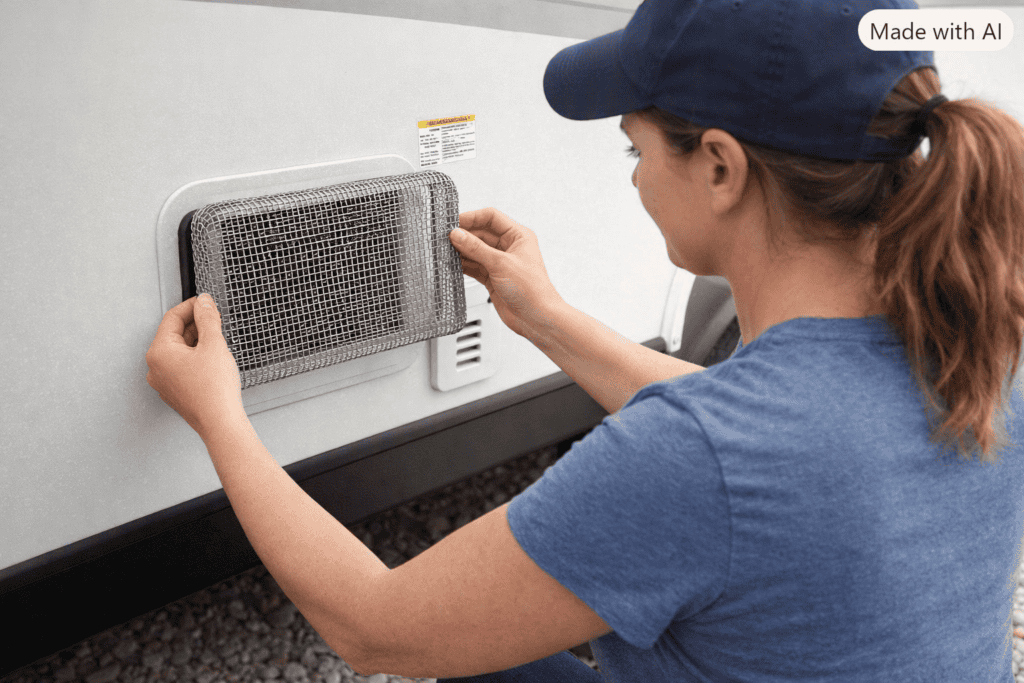
Protect Your Vents in Under a Minute
Installing Ultra‑Fab insect screens is simple. The process is quick, tool‑free, and perfect for both new and experienced RV owners. Below is a clean, step‑by‑step guide that walks through the entire installation process, so customers understand exactly how easy it is to protect their exhaust vents from mud daubers, wasps, spiders, and debris.
Identify the Correct Vent: Confirm which brand (Suburban, Dometic, etc.) and which appliance type (furnace, water heater, refrigerator, etc.) you’re covering so the screen matches the shape and size. Review Ultra-Fab’s simple and direct fitment chart. Double check based on the size and shape of the vent.
Clean the Vent Area: A clean surface ensures the springs or clips attach securely. Brush away dirt, webs, or debris around the vent. Make sure the vent louvers are unobstructed. Remove any existing insect nests before installing.
Position the Screen: Align the screen so it fully covers the vent without blocking airflow. Hold the screen flush against the vent. Check that the mesh sits evenly and doesn’t interfere with louvers. Confirm the airflow path remains open.
Attach Using Springs or Clips: Hook each spring or clip through the screen’s edge. Attach the opposite end to the vent louvers. Ensure all springs are evenly tensioned for a snug fit.
Verify Fit & Airflow: A final check ensures safe operation and long-term protection. Tug gently to confirm the screen is secure. Inspect for gaps where insects could enter. Start the appliance briefly to confirm airflow is unobstructed.
This simple installation takes about a minute and provides long‑term protection against the most common causes of RV furnace and water heater failure. Once installed, Ultra‑Fab screens stay secure, resist corrosion, and keep your customer’s appliances running trouble‑free.
The Accessory Chain Reaction: Screens That Open the Door to Bigger Sales
Upsell and cross‑sell opportunities are everywhere in the RV parts showroom, especially when you’re already talking to a customer about Ultra‑Fab insect screens. Once you’ve established the value of protecting their furnace, water heater, or refrigerator from insects, you’ve opened the door to a broader conversation about protecting their entire RV investment. The key is to transition naturally, connect each product to a real customer pain point, and show how these accessories work together to prevent breakdowns, extend appliance life, and make camping easier.
One of the strongest upsells is appliance protection bundles. After a customer picks up a furnace screen, it’s easy to say, “Your water heater and refrigerator have the same open vents. Most customers protect all three so they’re fully covered.” This turns a single SKU into a three‑SKU sale, while genuinely helping the customer avoid future service issues.
Another powerful cross‑sell is rodent and pest prevention. Once customers understand insects can cause expensive damage, they’re receptive to products like rodent repellents, underbelly sealant tape, and entry‑point foam. These items solve a related problem and feel like a natural extension of the conversation.
For customers focused on maintenance, seasonal prep kits are an easy win. Pair insect screens with water heater flush wands, anode rods, tank treatment, and sealant. This creates a “protect and maintain” package that feels complete and responsible.
Upselling isn’t about selling more, it’s about solving more problems. When you frame each accessory as part of a smart protection strategy, customers feel confident, supported, and ready to invest in keeping their new RV trouble‑free.
Build a Display That Educates, Attracts, and Converts Instantly
Great merchandising isn’t just about putting products on a shelf. It’s about creating a retail environment where customers instantly understand the value of what they’re seeing. Ultra‑Fab insect screens are small, inexpensive, and highly practical, which makes them perfect for strategic placement in your parts showroom. The goal is to position them where customers naturally make connections between the product and the problems it solves. Start by placing them near furnace, water heater, and refrigerator replacement parts. When customers are already thinking about appliance protection or repairing, the screens become an obvious preventative solution.
A great shelf‑talker transforms a simple product display into a sales magnet. When bold, high‑impact graphics catch the shopper’s eye and clear, helpful information guides their choice, the buying decision becomes effortless. For insect screens, that combination of visual punch and practical detail turns
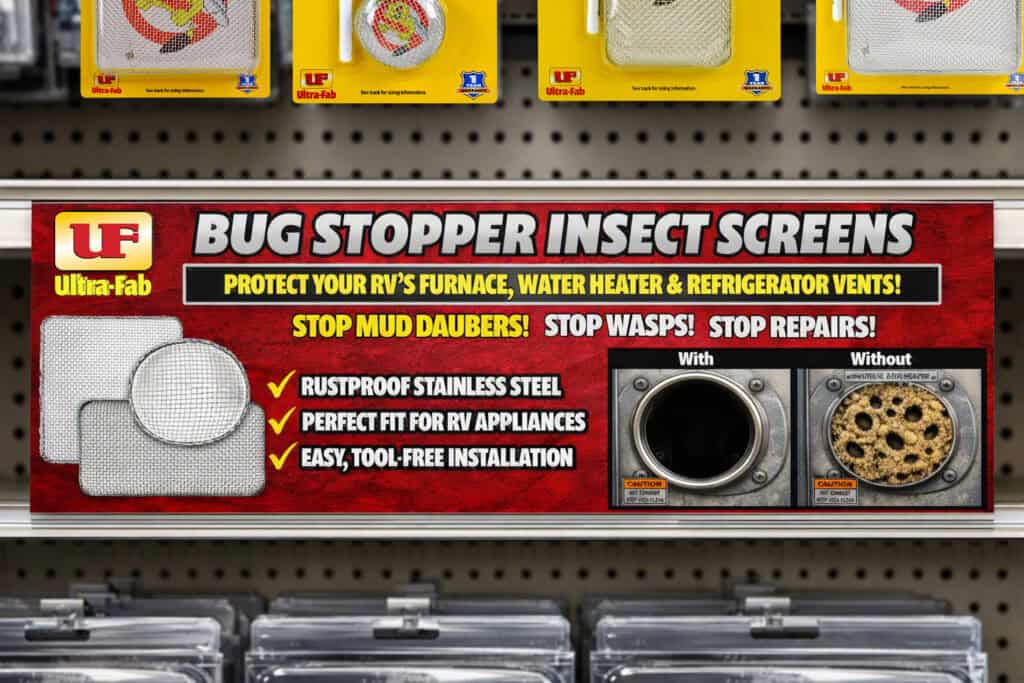
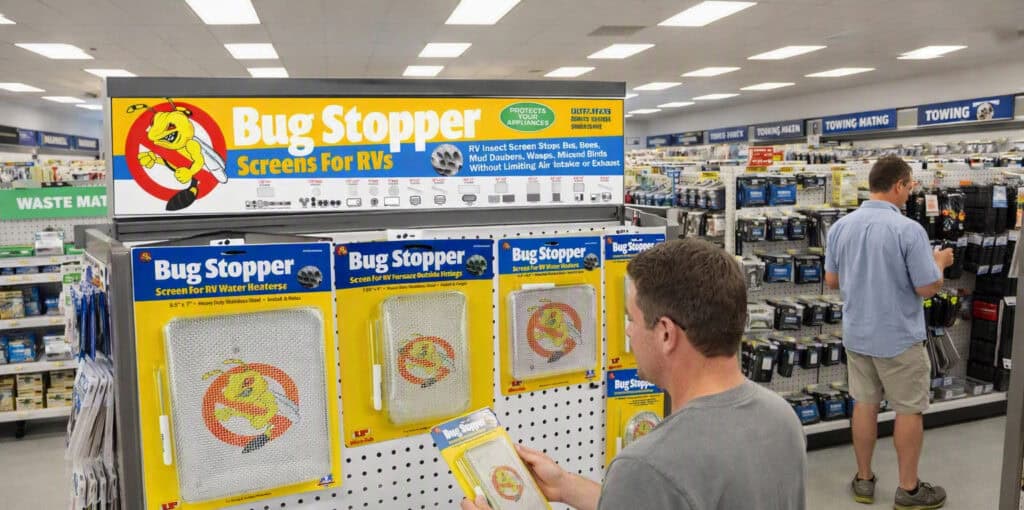
curiosity into confidence, helping customers instantly see the value and walk away with the right solution. As a dealer, you only need to purchase any 6 Ultra-Fab Bug Stopper insect screens to get the shelf-talker at no charge. Just order Ultra-Fab # 53-000030. Or, if you order 12 of the Ultra-Fab Bug Stopper Insect Screens you can upgrade to the header car (Ultra-Fab # 53-945099). Its bold header graphics include a complete fitment chart, making it easy for customers to identify the right model at a glance.
And with Ultra‑Fab’s Guaranteed Sales Agreement, you’re fully protected. If any SKU doesn’t move within 12 months, Ultra‑Fab will exchange it for one that does, ensuring your display always performs.
The Insect War Ends Here — If You Let It
By now, it’s crystal clear that insect screens aren’t “nice‑to‑have” accessories. They’re essential armor for every furnace, water heater, and refrigerator your customers rely on. Mud daubers, wasps, spiders, and every other creepy crawler are out there right now scouting their next RV vent… and your dealership has the power to stop them cold.
Ultra‑Fab’s Bug Stopper line gives you the simplest, most profitable way to protect your customers, reduce preventable service headaches, and boost accessory turns without adding complexity to your shelves. The packaging grabs attention. The fitment chart eliminates confusion. The planogram keeps inventory lean. And the Guaranteed Sales Agreement removes every ounce of risk.
In other words, Ultra‑Fab didn’t just build a better insect screen — they built a better retail experience.
So here’s your moment.
If you want fewer Saturday‑morning “my furnace won’t start” emergencies…
If you want happier customers who feel protected and confident…
If you want an accessory category that sells itself once it’s merchandised correctly…
Start stocking and selling Ultra‑Fab Bug Stoppers today. Your customers will thank you. Your service department will thank you. And your parts department will wonder why you didn’t do it sooner.
The insects aren’t waiting.
Your dealership shouldn’t either.
Prove Your Expertise: Insect Screen Training Quiz
After completing this training, you now understand why insect screens are far more than simple stainless‑steel mesh covers , they’re essential protection for the appliances your customers rely on most. You’ve learned how insects cause expensive failures, how Ultra‑Fab’s Bug Stopper line solves real customer pain points, and how smart merchandising and confident sales language can dramatically increase accessory turns. Before moving on, take a moment to test your knowledge and reinforce the key concepts that will help you educate customers, prevent service issues, and grow this profitable category in your dealership. The following review questions will help you lock in the most important takeaways from the article.

1) Why do insect screens exist?
A) To improve RV fuel efficiency
B) To keep insects and debris out of appliance exhaust vents
C) To reduce RV noise
D) To increase appliance temperature
2) How does a $20–$30 insect screen save customers money?
A) It increases appliance lifespan by 2 years
B) It prevents insects from clogging vents and causing $800+ repairs
C) It reduces propane usage
D) It eliminates the need for annual service.
3) Which issue can occur with low‑quality insect screens?
A) They improve airflow too much
B) They rust, fall off, or restrict airflow
C) They increase furnace temperature
D) They reduce propane efficiency
4) What retail advantage helps Ultra‑Fab Bug Stoppers outsell competitors?
A) Lower price
B) Bright yellow packaging and easy fitment info
C) Larger mesh size
D) Free installation
5) How does Ultra‑Fab’s fitment chart help customers?
A) It explains how to repair appliances
B) It helps customers choose the correct screen without guessing
C) It shows competitor pricing
D) It lists all RV brands ever made
6) How should staff respond to the “I don’t need one” objection?
A) Agree and move on
B) Explain insects rarely enter vents
C) Explain insects build nests quickly and screens prevent common breakdowns
D) Offer a discount
7) Why is the “It’s brand new” objection easy to overcome?
A) New RVs come with screens installed
B) New RVs are more vulnerable to insects
C) Manufacturers don’t include screens even though vents are wide open
D) New RV owners don’t care about appliance protection
8) Why is the Ultra‑Fab Bug Stopper planogram so effective?
A) It includes free installation tools
B) It displays all 50 SKUs
C) It features a bold header card, fitment chart, and Guaranteed Sales Agreement
D) It offers the lowest price on the market
9) What dealership benefit comes from proactively selling insect screens?
A) Fewer propane refills
B) Reduced preventable service issues and happier customers
C) Lower RV inventory costs
D) Faster RV deliveries
Answer Key
Question 1 / Answer B: To keep insects and debris out of appliance exhaust vents
Question 2 / Answer B: It prevents insects from clogging vents and causing $800+ repairs
Question 3 / Answer B: They rust, fall off, or restrict airflow
Question 4 / Answer B: Bright yellow packaging and easy fitment info
Question 5 / Answer B: It helps customers choose the correct screen without guessing
Question 6 / Answer C: Explain insects build nests quickly and screens prevent common breakdowns
Question 7 / Answer C: Manufacturers don’t include screens even though vents are wide open
Question 8 / Answer C: Bold header card, fitment chart, and Guaranteed Sales Agreement
Question 9 / Answer B: Reduced preventable service issues and happier customers